When Clicking Becomes Screaming: The Hidden SOS Inside Your User Data

Photo: Cpl Brian Reimers, Public domain, via Wikimedia Commons
The Click That Isn't a Click
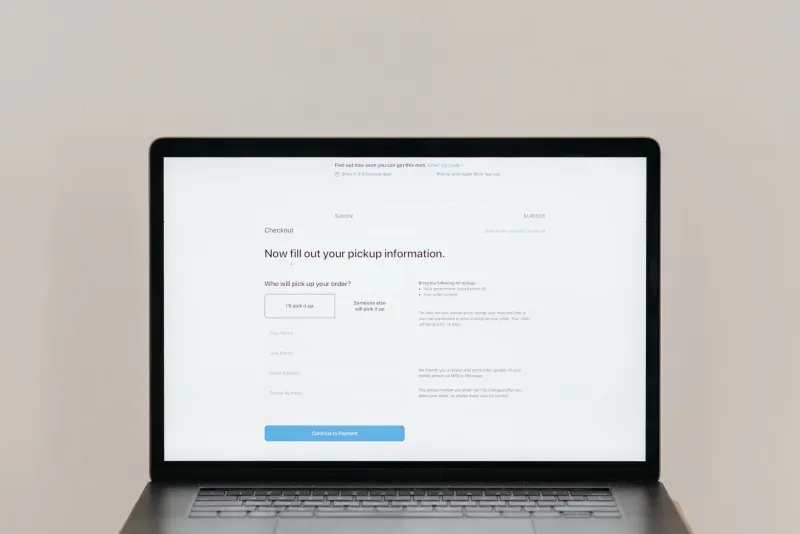
Imagine you're trying to buy concert tickets online. The checkout button doesn't respond. You click again. Nothing. You click five more times in three seconds, jaw tightening, patience evaporating. Then you leave — and probably don't come back.
Now imagine that entire sequence showing up in your analytics as seven clicks on your most important CTA.
That's the rage click problem in a nutshell. And it's happening on your platform right now, quietly poisoning your engagement data while your users silently rage-quit their way to your competitors.
What Rage Clicks Actually Are
Rage clicks are exactly what they sound like: rapid, repeated clicks in the same spot, usually triggered by a broken interaction, a frozen UI element, or a response time that's just slow enough to feel like something went wrong. Session recording platforms like Hotjar and FullStory have been tracking them for years, but the broader analytics ecosystem has been embarrassingly slow to flag them as the negative signals they are.
The core problem is that most standard analytics tools don't differentiate between a confident single click and a furious series of repeated clicks. Both look like engagement. Both get logged. The frustrated user who clicked your pricing page button eight times before giving up looks, on paper, like someone who was really into your pricing page.
They were not into your pricing page.
The Misclassification That Kills Retention
Here's where things get genuinely expensive. When rage clicks get misread as positive engagement signals, they distort the picture in a few specific ways.
First, they inflate engagement metrics on the exact pages and features that are causing the most friction. A broken modal that triggers rage clicks on every third visit might show up in your data as a high-engagement element — when in reality it's a churn accelerator.
Second, they can mask the warning signs of impending customer loss. Users don't usually churn suddenly. They get frustrated, they encounter friction, they signal their dissatisfaction through behavior — and then they leave. Rage clicks are often part of that pre-churn behavioral signature, showing up weeks before a user actually cancels or goes quiet. If you're not identifying them, you're missing a window to intervene.
Third, they can send product teams in completely the wrong direction. If a feature is generating a lot of click activity, it might look like a candidate for investment or expansion. But if that click activity is largely rage-based, more investment just means a bigger, more polished frustration point.
Real Scenarios Where Rage Clicks Predicted Churn
This isn't theoretical. Session analytics teams at SaaS companies have documented cases where rage click patterns on specific UI elements correlated with elevated churn rates in the following 30 to 60 days.
One common scenario: a navigation element that works on desktop but behaves unpredictably on mobile. Mobile users encounter it, rage click, and frequently abandon. Because the team was primarily monitoring desktop conversion data, the mobile friction went undetected for months — until someone cross-referenced rage click heatmaps with cohort churn data and found the overlap.
Another scenario that shows up repeatedly: form fields that appear interactive but have validation logic that rejects input without clear error messaging. Users type, submit, get rejected, click submit again, nothing happens. They click the field, click submit, click around trying to figure out what's wrong. That entire sequence reads as rich engagement. It's actually a user who's about to give up and never return.
The pattern is consistent: rage clicks cluster around broken things, and broken things drive churn. The data connection is there — it just requires knowing what to look for.
How to Detect Rage Clicks in the Wild
If you're not already using a session recording or heatmap tool, that's the first step. Platforms with built-in rage click detection will flag sessions where repeated rapid clicks occur in a small area within a short time window — typically something like three or more clicks within two seconds in the same zone.
But detection is just the start. Here's how to actually act on it:
Build a rage click dashboard. Don't let this data live buried in session recordings. Pull rage click frequency by page, by element, and by user segment into a report you review regularly. Look for concentrations — a single element generating a disproportionate share of rage clicks is almost certainly broken or confusing.
Cross-reference with retention data. Take your rage click data and match it against churn cohorts. Are users who experienced rage clicks on a specific feature more likely to have churned in the following 60 days? If yes, you've just identified a high-priority fix.
Set up rage click alerts for critical paths. Your checkout flow, your onboarding sequence, your core product features — these are places where rage clicks should trigger immediate review. Consider setting thresholds: if rage clicks on your checkout button exceed a certain volume in a 24-hour period, someone gets notified that day, not next quarter.
Interview the rage clickers. If your platform allows you to identify users who've triggered rage click events, reach out. Not to apologize or sell — just to listen. What were they trying to do? What happened instead? The qualitative layer here can be more valuable than the quantitative data alone.
Turning Frustration Into a Feedback Loop
The companies that handle this best have reframed rage clicks from an embarrassing data artifact into one of their most valuable feedback mechanisms. Every rage click is a user who cared enough to keep trying — at least for a moment. That's more than you get from someone who bounced silently on the first friction point.
The question is whether you're paying attention before they stop trying entirely.
Your users are clicking in frustration. They're telling you something is broken, confusing, or slow. They're sending SOS signals through their behavior. The tools to hear those signals exist. The data is sitting in your platform right now.
The only thing missing is someone deciding to listen.