The Enterprise Deal Killer Nobody Talks About: Ignoring Click Context in B2B Sales

Let me paint a picture that should make any B2B marketer uncomfortable.
A VP of Operations at a 500-person manufacturing company in Ohio is sitting at her desk on a Tuesday afternoon. She's got budget authority, she's been assigned to find a new operations platform, and she's deep in your feature comparison page — reading carefully, scrolling slowly, probably cross-referencing your competitor's site in another tab.
That same night, someone in their mid-twenties clicks the same page on their phone while watching TV. They found you through a Reddit thread. They have zero purchasing authority, zero budget, and zero intention of ever paying for anything.
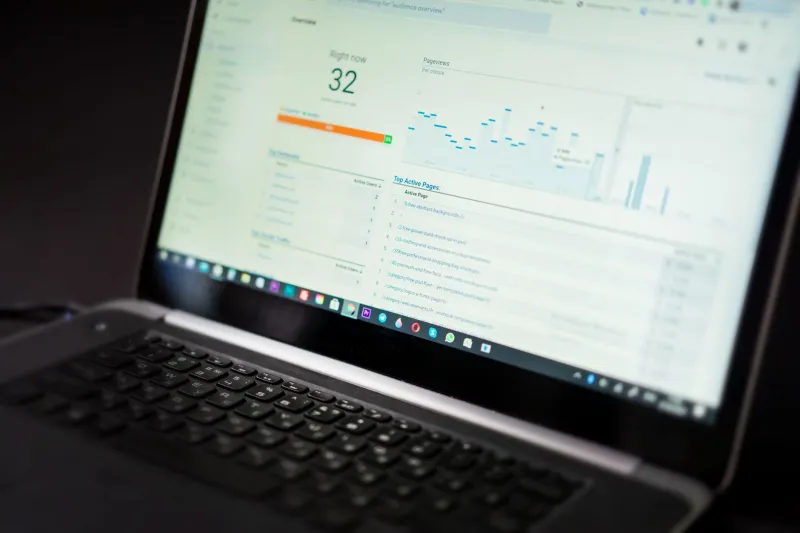
In most analytics platforms, both of these are logged as one click each. Same value. Same weight. Same contribution to your "conversion funnel."
This is the click context collapse problem — and it's costing B2B companies enterprise deals every single quarter.
What "Context" Actually Means
When we talk about click context, we're not just talking about traffic source (though that matters). We're talking about a cluster of signals that, taken together, tell you something meaningful about the person behind the click and where they actually are in a buying process.
Context includes:
- Device type — Desktop vs. mobile isn't just a UX consideration. In B2B, desktop clicks during business hours are strongly correlated with active research by professional buyers. Mobile clicks in the evening are often casual, low-commitment browsing.
- Time of day and day of week — A click on your enterprise pricing page at 10 a.m. on a Wednesday is categorically different from the same click at 11 p.m. on a Saturday. One is happening inside a work context. The other almost certainly isn't.
- Position in the content journey — Someone who clicked through from your "What is [your category]?" blog post is at a completely different stage than someone who landed directly on your security and compliance documentation page. The second person is probably in procurement mode.
- Account-level behavior — In B2B, individual clicks matter less than patterns across a buying group. If three people from the same company domain have all visited your case studies page within a week, that's a signal that deserves a very different response than a single visit from an unknown user.
Why Most Analytics Platforms Hide This
Here's the uncomfortable opinion part: the analytics tools most companies rely on are built around simplicity and volume. They're designed to answer "how many" and "from where" — because those are the questions that produce clean, reportable numbers.
Answering "what does this click actually mean" is harder. It requires layering multiple data points, making probabilistic judgments, and sometimes admitting that a traffic spike isn't as exciting as it looks. That doesn't fit neatly into a weekly report.
There's also a commercial incentive problem. Ad platforms, in particular, have a financial interest in making your click data look as promising as possible. If Google or LinkedIn had to show you that 60% of your B2B campaign clicks were happening on mobile from non-business-hours users with no firmographic match to your ICP, you might spend less. So the default reporting doesn't exactly surface that.
Some enterprise-grade tools — your Demandbase, 6sense, and Clearbit-integrated stacks — do a much better job of adding context. But even then, the data is only as useful as the marketing team's willingness to act on it.
Real Patterns That Should Change How You Respond
Let's get specific about what context-aware click analysis actually looks like in practice.
The Late-Night Mobile Click on Pricing
This pattern shows up constantly in SaaS analytics. Someone hits your pricing page at 10:30 p.m. from an iPhone. Conventional wisdom says: retarget them, they're interested. But in B2B, this is often a false signal. It might be a curious employee who has no budget authority, a job seeker researching your company, or someone who just heard your name at a dinner party.
A context-aware response: flag this click, but hold it. If the same person (or someone from the same company domain) returns during business hours and engages with your ROI calculator or your enterprise features page, now you escalate.
The Decision-Maker Deep Dive
This is the pattern you actually want. A desktop user arrives via a direct URL or a branded search, spends time on your security documentation, visits your customer reference page, and clicks through to your "Contact Sales" form — all between 9 a.m. and 5 p.m. on a weekday.
This person is almost certainly in active evaluation mode. They may have already shortlisted you. The click context here is screaming "respond fast" — and companies that route these signals directly to sales within minutes consistently outperform those that let them sit in a nurture queue.
The Buying Committee Signal
In enterprise deals, no single person decides. When you start seeing multiple clicks from the same company domain — different individuals hitting different pages like IT security docs, legal/compliance content, and executive-level ROI summaries — you're watching a buying committee do its homework.
Most analytics setups will surface these as unrelated individual visits. An account-based view of the same data reveals a company that's actively building a business case. That's a fundamentally different sales conversation than a cold outreach.
What to Actually Do About It
Fix the data layer first. If you're not capturing device type, time-of-click, and company domain (via IP enrichment or a tool like Clearbit) alongside every click event, you're flying blind. This isn't a massive technical lift for most teams — it's mostly a configuration and prioritization issue.
Build context scoring into your lead qualification. Work with your sales team to assign different weights to clicks based on context signals. A click on your enterprise pricing page from a desktop user at a target account during business hours should score significantly higher than the same click from an unidentified mobile user at midnight.
Change how you brief your content team. If you know that deep-funnel content — security pages, compliance docs, ROI calculators, customer case studies — is getting clicked by high-context, high-intent users, that content deserves more investment. It's not just supporting sales; it's actively closing deals.
The Bigger Picture
Click context isn't a niche analytics concern. It's a fundamental shift in how B2B companies need to think about digital engagement. The businesses that figure this out first — the ones that stop treating all clicks as equal and start reading the story behind each one — are going to have a serious competitive edge.
Because a click from the right person, in the right place, at the right moment in their buying journey isn't just a data point. It's an open door. And most companies are walking right past it.