Stop Chasing Clicks. Start Chasing Intent.

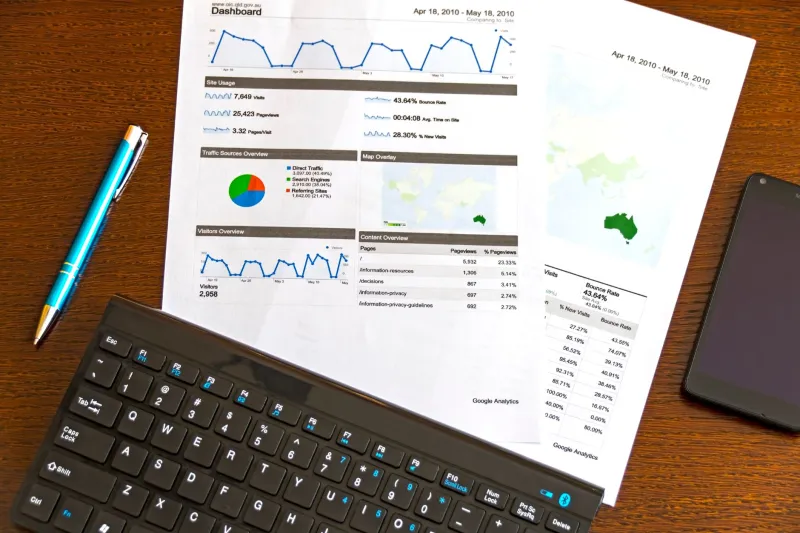
There's a certain kind of marketing vanity that most of us have been guilty of at one point or another. The kind where you refresh your analytics dashboard and feel a little rush when the click counter ticks up — even if those clicks don't convert, don't stick, and don't ultimately mean anything for the business.
The volume game is seductive. More traffic feels like progress. A bigger number feels like proof that something is working. But here's the uncomfortable truth that a growing number of savvy marketers are reckoning with: chasing clicks for the sake of clicks is one of the most expensive habits in digital marketing. And the brands walking away from it are, counterintuitively, winning.
The Myth of More
For years, digital marketing strategy was basically a funnel math problem. Drive enough traffic at the top, and enough conversions would trickle out the bottom. If results were disappointing, the prescription was simple: drive more traffic. Buy more ads. Publish more content. Get more clicks.
This logic made a certain kind of sense in the early internet era, when online audiences were growing fast and competition for attention was relatively thin. But the landscape has shifted dramatically. US consumers are now exposed to an estimated 4,000 to 10,000 marketing messages per day. Attention is the scarcest resource in the economy. And when everyone is optimizing for volume, volume alone stops being a competitive advantage.
What cuts through isn't more clicks. It's the right click, at the right moment, from someone who is genuinely ready to engage.
What a Micro-Moment Actually Means
Google introduced the concept of "micro-moments" back in 2015, and while the terminology has faded a bit from the buzzword cycle, the underlying idea has only become more relevant. A micro-moment is any point in a customer's journey where they turn to a device — usually their phone — with a specific, urgent need. They want to know something, go somewhere, do something, or buy something. Right now.
These moments are brief, high-intent, and incredibly valuable. A person Googling "best emergency plumber near me" at 11pm on a Sunday isn't browsing. They're deciding. A shopper comparing two mattresses on their phone while standing in a showroom isn't casually exploring. They're about to make a purchase.
The brands winning in today's environment are the ones engineering their entire content and advertising strategy around these decision windows — rather than trying to reach the maximum number of people who might, someday, eventually be interested.
The ROI Math Actually Works Out
Skeptical? The numbers make a compelling case.
Consider what happens when you reallocate budget from broad, high-volume campaigns toward tightly targeted, intent-driven placements. You're paying for fewer impressions and fewer clicks — but the people clicking are already halfway to a decision. Conversion rates go up. Customer acquisition costs come down. And the lifetime value of customers acquired through high-intent channels tends to be higher because they came in with genuine motivation rather than being nudged into a purchase they weren't ready for.
A mid-sized e-commerce brand in the outdoor gear space (one that several of our editorial contacts have referenced in conversations about this shift) reportedly cut its paid search spend by 30% while focusing remaining budget on bottom-of-funnel, high-intent keywords. Conversions increased by 18% over the following quarter. Fewer clicks, better results — exactly the counterintuitive math that the micro-moment philosophy produces when executed well.
This isn't an isolated story. It's becoming a pattern.
Rethinking Your Content Strategy Around Intent Signals
Making this shift isn't just about adjusting your ad targeting. It requires rethinking how your content strategy is structured from the ground up.
Map your content to intent stages, not just funnel stages. Traditional funnel thinking (awareness, consideration, conversion) is useful but too broad. Intent-based content mapping gets more granular. What is someone specifically trying to figure out in the moments before they make a decision in your category? Build content that answers those exact questions with precision and authority.
Invest in search intent analysis. Tools like Semrush, Ahrefs, and even Google's own Search Console data can reveal not just what people are searching for but why they're searching for it. Informational intent, navigational intent, and transactional intent all call for different content responses. Most content strategies treat them the same.
Prioritize depth over breadth. One genuinely useful, deeply researched piece of content that ranks for a high-intent query will outperform ten shallow posts chasing traffic volume almost every time. It's not as fast. It doesn't produce the satisfying click spike. But it compounds.
Audit your existing content for intent alignment. Pull your top traffic pages and ask honestly: is this content reaching people who are close to a decision, or is it just pulling in curious browsers with no real intent to act? Traffic that doesn't align with intent is overhead, not an asset.
The Tools Making Intent-Based Marketing More Accessible
One reason this approach is gaining traction right now is that the tooling has genuinely improved. Intent data — once available only to enterprise-level teams with massive budgets — is becoming more accessible to mid-market businesses.
Platforms like Bombora and G2 offer B2B intent data that shows which companies are actively researching solutions in your category. For B2C brands, behavioral targeting on platforms like Meta and Google has become sophisticated enough to differentiate between someone who browsed your category once three weeks ago and someone who's been actively comparing options for the past 48 hours. Those are fundamentally different intent signals, and treating them the same way is leaving money on the table.
Smart click-based advertising isn't about reaching everyone. It's about reaching the right person at the exact moment their intent peaks.
Letting Go of Vanity Metrics
The hardest part of this transition isn't tactical — it's psychological. Vanity metrics are called vanity metrics for a reason. They feel good. A dashboard full of big numbers is easier to present in a stakeholder meeting than a story about fewer, better-quality clicks.
But the brands building durable competitive advantages right now are the ones willing to have that harder conversation. They're measuring what matters: conversion rate, customer acquisition cost, revenue per click, and customer lifetime value. They're willing to watch their traffic numbers dip in the short term in exchange for the kind of engagement that actually moves the business.
At PangClick, we've always believed that a single well-timed, well-placed click from someone who genuinely wants what you're offering is worth a thousand casual impressions from people who don't. The micro-moment philosophy isn't a new idea — it's just the internet finally catching up to that truth.
The volume game had a good run. But the next era of digital marketing belongs to the brands smart enough to stop counting clicks and start understanding them.